

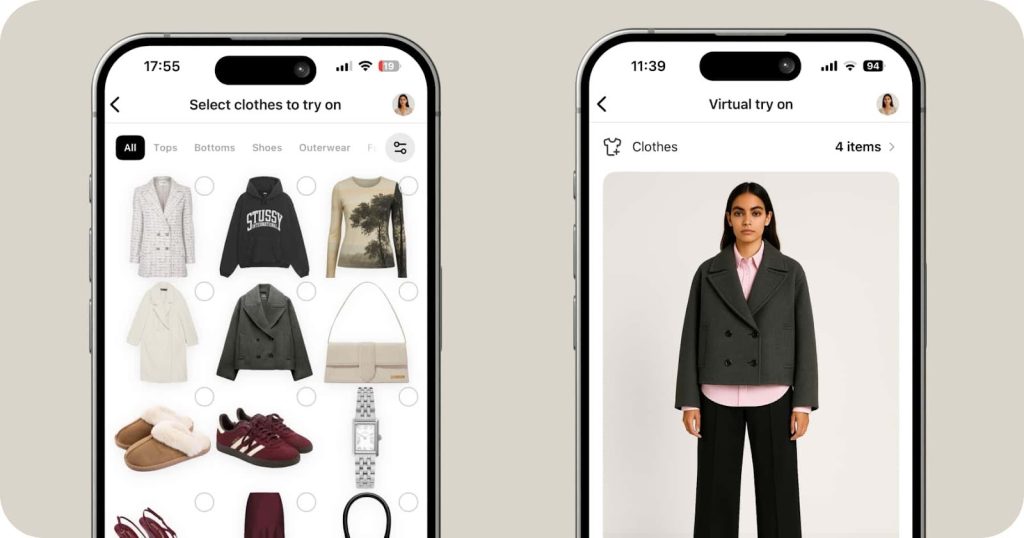
The fashion retail industry is undergoing a major digital transformation, driven by changing consumer behavior and rapid advancements in technology. One of the most impactful innovations reshaping online and in-store shopping experiences is virtual try on clothing. This technology allows shoppers to visualize how clothes look on their body type, size, and style preferences before making a purchase. As competition intensifies and customer expectations rise, fashion retailers are increasingly adopting virtual try on clothing to stay relevant, reduce costs, and boost sales.
Below are the top reasons why this technology has become a strategic priority for modern fashion brands.
Rising Demand for Better Online Shopping Experiences
Online fashion shopping has grown rapidly, but one long-standing challenge remains: customers cannot physically try on clothes. Virtual try on clothing bridges this gap by offering a realistic and interactive experience that closely mimics in-store fitting rooms. Shoppers can see how a garment fits, drapes, and complements their body, which builds confidence in purchasing decisions.
Retailers that integrate virtual try on clothing are responding directly to consumer demand for convenience, personalization, and transparency. This improved experience encourages customers to spend more time on websites and explore a wider range of products.
Reduction in Product Returns
High return rates are one of the biggest pain points for fashion retailers, especially in eCommerce. Incorrect sizing, poor fit, and unmet expectations are common reasons for returns. Virtual try on clothing significantly reduces these issues by allowing customers to assess fit and appearance before checkout.
By minimizing guesswork, retailers cut down on reverse logistics costs, restocking expenses, and wasted inventory. Lower return rates also contribute to more sustainable operations, which is increasingly important to environmentally conscious consumers.
Increased Conversion Rates and Sales
When shoppers feel confident about how clothing will look on them, they are more likely to complete a purchase. Virtual try on clothing removes hesitation and uncertainty, directly improving conversion rates. Many retailers report higher add-to-cart rates and increased average order values after implementing this technology.
Major global brands like Zara and Nike have invested in digital fitting technologies to enhance customer engagement and drive online sales. This trend highlights how virtual try on clothing is not just a novelty but a proven revenue booster.
Enhanced Personalization Through AI and Data
Virtual try on clothing often integrates artificial intelligence and machine learning to deliver personalized recommendations. By analyzing body measurements, browsing behavior, and style preferences, retailers can suggest outfits that suit individual customers.
This level of personalization strengthens customer relationships and increases brand loyalty. Shoppers feel understood and valued, which encourages repeat purchases and long-term engagement.
Smart Size Recommendations
One of the most valuable features of virtual try on clothing is intelligent size guidance. Instead of relying on generic size charts, customers receive tailored size suggestions based on their body profile and previous purchases. This reduces frustration and further improves satisfaction.
Stronger Omnichannel Retail Strategy
Fashion retailers are no longer limited to online or offline channels; success depends on seamless integration across both. Virtual try on clothing supports omnichannel strategies by enhancing in-store mirrors, mobile apps, and websites with consistent digital experiences.
Brands like Amazon have experimented with virtual fitting rooms to blend physical and digital shopping. Customers can try items virtually at home and then finalize purchases online or in-store, creating a unified brand experience.
Competitive Advantage in a Crowded Market
The fashion industry is highly competitive, with thousands of brands vying for consumer attention. Virtual try on clothing helps retailers differentiate themselves by offering innovative, tech-driven experiences. Early adopters are seen as forward-thinking and customer-centric, which enhances brand perception.
Younger consumers, especially Gen Z and millennials, are more likely to engage with brands that use immersive technologies. For these audiences, virtual try on clothing is not just convenient—it’s expected.
Improved Customer Engagement and Time on Site
Interactive experiences naturally capture attention. Virtual try on clothing encourages users to experiment with different styles, colors, and combinations, increasing time spent on a website or app. Higher engagement signals quality to search engines and improves overall digital performance.
This extended interaction also creates more opportunities for upselling and cross-selling, as customers are more open to trying complementary items.
Social Sharing and Influencer Appeal
Many virtual try on clothing tools allow users to share their looks on social media. This organic sharing acts as free marketing and aligns perfectly with influencer-driven fashion trends. Retailers benefit from increased brand visibility and user-generated content.
Cost Efficiency and Long-Term ROI
Although implementing Virtual try on clothing requires an initial investment, the long-term benefits often outweigh the costs. Reduced returns, higher conversions, improved customer retention, and lower operational expenses contribute to a strong return on investment.
As the technology becomes more accessible and scalable, even mid-sized and emerging fashion brands are adopting it to compete with industry giants.
Future-Proofing the Fashion Business
Consumer expectations will continue to evolve, and digital innovation will remain at the core of retail success. Virtual try on clothing positions fashion retailers to adapt quickly to future trends such as augmented reality shopping, metaverse storefronts, and AI-powered styling assistants.
Retailers that embrace this technology today are better prepared for tomorrow’s retail landscape.
Conclusion
Virtual try on clothing is transforming how fashion retailers connect with customers, sell products, and operate efficiently. From reducing returns and boosting sales to enhancing personalization and strengthening brand loyalty, the benefits are clear and measurable. As online shopping continues to dominate the fashion industry, adopting virtual try on clothing is no longer optional—it is a strategic necessity for retailers aiming to thrive in a digital-first world.
