

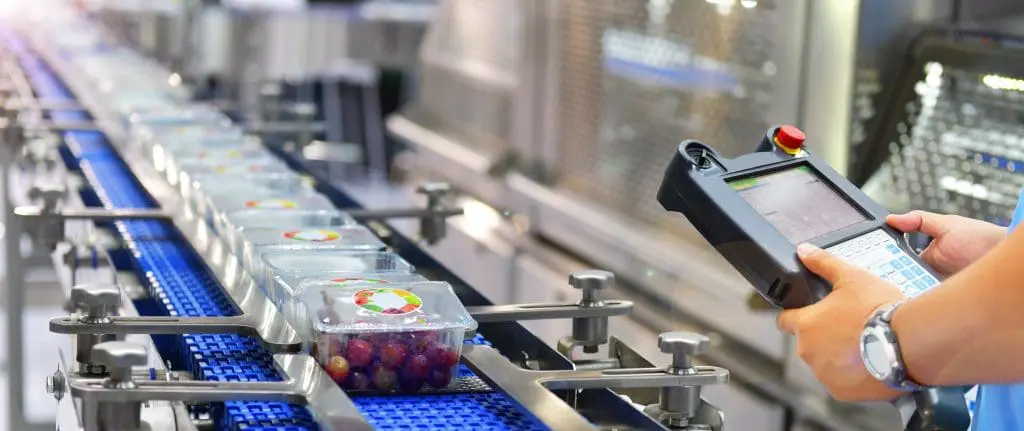
Packaging is one of the most critical stages in any production operation—whether you manufacture sauces, beverages, chemicals, cosmetics, or industrial materials. It protects product quality, ensures safety, enhances shelf life, and ultimately influences the customer’s first impression. In modern factories, automated packaging machinery has become a necessity rather than an option, driven by rising output demand, stricter hygiene standards, and the need for labor cost reduction.
This article provides a comprehensive overview of the top packaging machinery used in food, beverage, and industrial plants, including how each system works, where it’s used, and how it benefits production efficiency. Whether you are upgrading an existing line or planning a new facility, understanding these equipment categories will help you design a high-performance packaging workflow. At the end, you’ll find a recommendation for Micet, known for supplying high-quality stainless-steel packaging and processing systems.
The Importance of Packaging Machinery in Modern Production Plants
No matter the industry, packaging machinery plays essential roles such as:
- Preserving product freshness (especially in food and beverage)
- Preventing contamination
- Reducing manual labor
- Ensuring consistent quality and fill accuracy
- Improving production throughput
- Enhancing branding through proper sealing and labeling
- Supporting regulatory compliance and traceability
As global production expands, companies increasingly rely on automation to streamline operations, reduce risk, and stay competitive.
Major Types of Packaging Machinery in Food, Beverage & Industrial Plants
Below are the most widely used systems in factories today, along with their applications and benefits.
Filling Machines
Filling machines are the heart of most packaging lines and are used across nearly every industry.
Types of Filling Machines
- Liquid Filling Machines
Ideal for juice, sauces, oils, dairy products, beer, and beverages.
Technologies include gravity, piston, pump, isobaric (for carbonated drinks), and vacuum filling. - Viscous & Paste Filling Machines
Designed for ketchup, mayonnaise, honey, peanut butter, jam, creams, and adhesives.
Piston fillers and servo-driven volumetric fillers are common. - Powder Filling Systems
Used for spices, protein powders, flour, supplements, and chemicals.
Auger fillers provide high-speed precision. - Granule Fillers
Suitable for grains, nuts, seeds, and pellets.
Why They Matter
- Precise fill accuracy reduces waste.
- Maintains hygiene when combined with automated handling.
- Supports high-volume production at consistent speeds.
Capping and Sealing Machines
Once containers are filled, they must be sealed for safe handling.
Common Types
- Screw cappers (for PET bottles, jars, cosmetics)
- ROPP cappers (for medicinal and beverage bottles)
- Crown cappers (for beer bottling)
- Induction sealers (tamper-evident foil seals)
- Heat sealers (pouches, sachets, cups)
Key Advantages
- Eliminates manual closure errors
- Ensures airtight, leak-proof packaging
- Enables tamper-evident safety features
In high-speed beverage lines, capping machines are integrated within monoblocks for synchronized operation.
Labeling Machines
Packaging isn’t complete without a proper label. Labeling machines automate the application of branding, product information, barcodes, and regulatory details.
Types of Labelers
- Wrap-around labelers (cylindrical containers)
- Front-back labelers (bottles, jars, jugs)
- Shrink sleeve applicators
- Pressure-sensitive labelers
- In-mold labeling systems
Benefits
- Perfect alignment and consistent placement
- High throughput for retail packaging
- Easy integration with coding and inspection systems
Coding & Marking Equipment
Coding equipment prints essential information such as:
- Batch numbers
- Expiration dates
- Manufacturing dates
- QR codes
- Lot tracking
Common systems include inkjet printers, laser coders, and thermal transfer coders.
Reasons It’s Essential
- Supports traceability
- Required for compliance
- Ensures customer safety
In beverage and food plants, coding is mandatory for all packaged products.
Bottle and Container Rinsers/Sterilizers
Hygiene is crucial—especially for food and beverage packaging.
Types of Integrated Rinsing Systems
- Air rinsers
- Water rinsers
- Steam sterilizers
- UV sterilization tunnels
- Ionized-air rinsing systems
These ensure containers are debris-free and sanitized before filling.
Cartoning and Case Packing Machines
After filling, sealing, and labeling, products must be packed for shipping.
Cartoning Solutions
- Horizontal cartoners
- Vertical cartoners
- Sleeve cartoners
Ideal for food packs, beverage multipacks, and industrial goods.
Case Packing Machines
- Wrap-around case packers
- Robotic case packers
- Drop packers
- Tray formers
These systems dramatically reduce manual packing labor and speed up downstream logistics.
Shrink Wrapping & Bundling Machines
Used across beverage, food, and chemical sectors, shrink wrap machines bundle products into tightly wrapped packs.
Best For:
- Beverage multipacks
- Canned foods
- Cleaning supplies
- Bottles and jars
Heat tunnels shrink the film around the product, creating strong, transport-ready bundles.
Palletizing Equipment
The final stage of packaging involves organizing products on pallets for transport.
Types of Palletizers
- Robotic palletizers
- Layer palletizers
- Gantry-style palletizers
Benefits
- Faster loading
- Stable pallet formations
- Reduced labor strain
- Improved warehouse efficiency
Inspection & Quality Control Machinery
Today’s plants use advanced QC systems to ensure packaging meets safety and quality standards.
Common Inspection Systems
- Metal detectors (food safety)
- Checkweighers (weight accuracy)
- X-ray inspection machines (foreign object detection)
- Vision systems (label alignment, cap positioning, fill level checks)
Inspection machinery is mandatory in many regulatory environments.
Vacuum Packaging and MAP Machines
Vacuum packaging and Modified Atmosphere Packaging (MAP) are essential in food processing.
Applications
- Meat and seafood
- Cheese and dairy
- Ready-to-eat meals
- Nuts and snacks
Benefits
- Longer shelf life
- Protection against oxidation
- Improved freshness
MAP machines replace oxygen with nitrogen or carbon dioxide to maintain quality.
Vertical (VFFS) and Horizontal (HFFS) Form-Fill-Seal Machines
Flexible packaging is increasingly popular in food and industrial sectors.
Vertical FFS Machines
Used for:
- Chips
- Powders
- Frozen foods
- Candies
- Grain and seeds
Horizontal FFS Machines
Ideal for:
- Bars
- Cookies
- Pharmaceutical tablets
- Ready-to-eat meals
These machines create the package, fill it, and seal it—all in one operation.
Pouch Filling and Sealing Machines
Pouches are used for:
- Sauces
- Juices
- Detergents
- Oils
- Baby food
- Industrial fluids
Common formats:
- Stand-up pouches
- Spouted pouches
- Flat pouches
- Retort pouches
Pouch fillers support both hot-fill and cold-fill applications.
Automation Trends in Modern Packaging Lines
Modern food, beverage, and industrial plants are moving toward:
- Robotic automation for pick-and-place tasks
- IoT-connected machinery for predictive maintenance
- Servo-driven controls for high precision
- Hygienic design principles (3-A, GMP, EHEDG)
- Turnkey packaging systems with integrated fillers, cappers, and labelers
Efficiency, hygiene, and reliability are now primary drivers of investment.
FAQs
1. What type of packaging machinery is most important for food and beverage manufacturers?
The most critical machinery usually includes filling systems, capping/sealing machines, labeling systems, and inspection equipment. These ensure product safety, consistency, and compliance with food industry standards.
2. Can packaging machinery handle multiple container types and sizes?
Yes. Many modern machines are designed for flexible packaging. With adjustable guides, change parts, and programmable settings, a single system can handle bottles, jars, pouches, and different volume sizes—ideal for brands with diverse product lines.
3. How much automation is recommended for a small or medium-size factory?
Most SMEs start with semi-automatic equipment and gradually upgrade to fully automated lines as demand increases. The best choice depends on production volume, labor costs, hygiene requirements, and the complexity of your product range.
Why Micet Is Recommended for Packaging Equipment Solutions
If you are looking to upgrade your plant with high-quality filling and packaging machinery, Micet is an excellent partner. Known for precision engineering and stainless-steel fabrication, Micet provides:
- Fully automated liquid and viscous filling systems
- Complete bottle and canning lines for beverages
- CIP-ready hygienic equipment for sauces, dairy, beer, and juices
- Custom turnkey packaging line design
- Equipment for rinsing, filling, capping, labeling, and coding
- Advanced PLC/HMI control systems
- End-to-end installation, training, and technical support
Micet specializes in food, beverage, and industrial production equipment, offering reliable, cost-effective solutions for manufacturers worldwide.
