

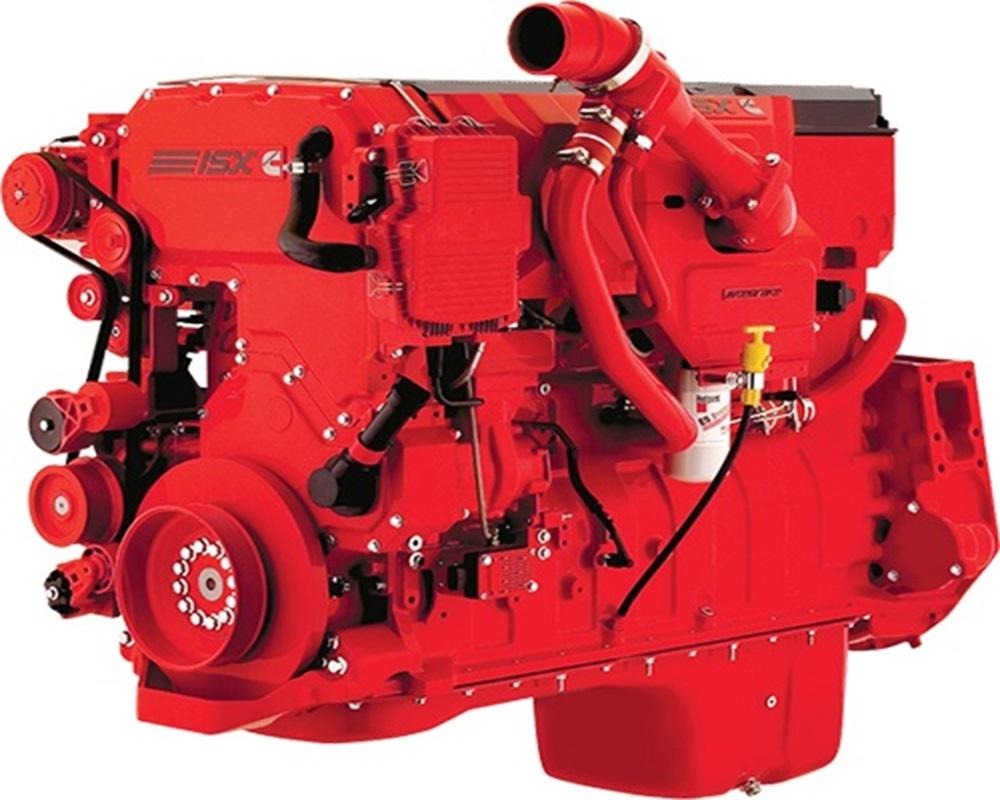
Purchasing an engine, whether for a replacement, upgrade, or project, is a significant investment that requires careful evaluation. An engine represents the heart of any vehicle, and choosing a low-quality unit can lead to costly repairs or reduced performance. Therefore, understanding how to assess an engine’s condition is crucial. Evaluating an engine is not just about checking its price; it involves a thorough examination of its history, physical condition, and the credibility of the seller.
With the rise of used and refurbished engines in the market, buyers must be vigilant and informed. Evaluating engine quality ensures you get value for your money while avoiding potential pitfalls. This guide will provide clear steps to assess an engine for sale, helping you make a confident and educated purchase.
Steps for Buying a Quality Engine
1. Visual Inspection
A visual inspection is the first step in evaluating an engine’s quality. Look for signs of rust, cracks, leaks, or worn-out components. Inspect the cylinder head, block, and external accessories for any visible damage. Corrosion or oil residue can indicate long-term neglect or improper storage, which may affect performance.
Additionally, check for missing parts or modifications that may impact the engine’s compatibility with your vehicle. A clean and well-maintained engine exterior often reflects careful handling. While a visual inspection cannot reveal every internal issue, it provides essential clues about the engine’s overall condition and care history.
2. Performance History
Understanding an engine’s past performance is vital for evaluating its reliability. Ask the seller about mileage, operating conditions, and any repairs or rebuilds. Engines that have been regularly maintained, driven under normal conditions, and not subjected to harsh environments usually have a longer lifespan.
Also, inquire about previous vehicle usage, whether the engine was used for heavy towing, racing, or city commuting. Engines that endured high stress may show hidden wear that affects longevity. A thorough performance history helps predict future reliability and prevents costly surprises.
3. Certifications
Certifications can serve as proof of an engine’s quality and condition. Look for documentation from authorized rebuilders or manufacturers that confirm the engine meets specific standards. Certified engines often undergo rigorous inspections and testing, providing extra assurance to buyers.
Certain engines come with a “remanufactured” certificate, indicating they have been restored to original factory specifications. This certification reduces risk and demonstrates that the engine has undergone professional care. Always verify the authenticity of these documents before completing the purchase.
4. Testing
Testing is one of the most reliable methods to assess engine quality. If possible, request a compression test to check cylinder health and uniformity. This test measures the engine’s ability to maintain proper pressure, which directly impacts performance.
Additionally, ask for a leak-down test to detect internal leaks, a key indicator of wear in valves or pistons. Engines that fail these tests may require significant repairs or may not perform optimally. Professional testing offers objective data that complements your visual and historical assessment.
5. Expert Consultation
Consulting an experienced mechanic or automotive expert is highly recommended when evaluating an engine for sale. Experts can identify hidden issues that may not be apparent to a regular buyer. They can also assess the engine’s rebuild quality and overall potential lifespan.
Bringing a trusted professional to inspect the engine can save time, money, and stress. Their insight ensures that the engine you purchase is worth the investment and meets your performance expectations. Many sellers may allow an expert inspection as part of the sales process.
6. Seller Guarantees
Seller guarantees and warranties can significantly impact your confidence in purchasing an engine. Engines that come with a limited warranty or guarantee indicate that the seller trusts the engine’s quality. These guarantees often cover major mechanical failures for a set period or mileage.
Before buying, clarify the terms and limitations of any guarantee. Understand whether it covers labor, parts, or specific engine components. A reputable seller offering a guarantee reflects professionalism and accountability, reducing your financial risk.
7. Serial Number Checks
Checking the engine’s serial number is an essential step for verifying authenticity. Serial numbers help trace the engine’s origin, manufacturing date, and sometimes its usage history. This is especially important for engines purchased online or from unfamiliar sources.
Match the serial number with manufacturer records to ensure it has not been stolen or misrepresented. Serial number verification adds an extra layer of security and gives peace of mind when purchasing a high-value engine.
8. Comparison Shopping
Before making a purchase, it is wise to compare multiple engines available in the market. Comparison shopping helps you gauge fair pricing, quality standards, and seller reliability. Look for engines with similar specifications and conditions to make informed decisions.
For example, if you are searching for a used cummins engine for sale, comparing options from different sellers ensures you find one that is both reliable and reasonably priced. Analyzing multiple engines also allows you to identify potential red flags, such as unusually low prices or missing documentation. Taking the time to compare ensures that you find the best balance of quality and value, preventing impulse purchases that could lead to regret.
9. Ask Questions
Never hesitate to ask the seller detailed questions about the engine. Inquire about previous repairs, mileage, storage conditions, and any signs of unusual wear. Honest and knowledgeable sellers should provide clear answers without hesitation.
Asking the right questions helps uncover potential issues and demonstrates your seriousness as a buyer. It also allows you to verify the seller’s credibility and the accuracy of the information provided. Good communication is often as important as the engine itself.
10. Legal Paperwork
Ensuring proper legal documentation is crucial when purchasing an engine. Obtain a bill of sale, receipts, and any transfer documents required by law. Legal paperwork protects both the buyer and seller in case of disputes or warranty claims.
Additionally, check for compliance with local regulations regarding used or imported engines. Having all documentation in order guarantees a smooth transaction and helps avoid future legal complications. Never finalize a purchase without confirming the paperwork is complete and authentic.
Conclusion
Evaluating the quality of an engine for sale requires a combination of careful observation, historical research, and professional insight. A thorough approach that includes visual inspection, testing, verification of certifications, and expert consultation ensures that you make a sound investment. Each step, from checking serial numbers to reviewing legal documents, adds a layer of security and confidence to the buying process.
Ultimately, patience and diligence are key when selecting a quality engine. By asking the right questions, comparing options, and confirming warranties, buyers can avoid costly mistakes and secure a reliable, long-lasting engine. Taking the time to evaluate an engine thoroughly protects your investment and ensures your vehicle continues to perform at its best.
