

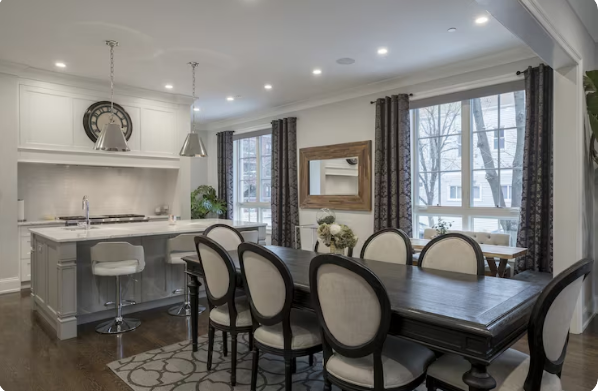
In the United Kingdom, flat roof lights are increasingly becoming a popular choice for homeowners, architects, and commercial property developers. They provide an elegant solution for bringing natural light into interior spaces, improving ventilation, and enhancing the aesthetic appeal of both modern and traditional buildings. With growing demand for energy-efficient and stylish building solutions, flat roof lights offer a versatile option for creating bright, comfortable, and functional environments.
What Are Flat Roof Lights?
Flat roof lights are specially designed glazing systems installed on flat or low-pitched roofs to allow daylight to enter a building. Unlike traditional skylights, flat roof lights are engineered to sit securely on roofs with minimal slope, providing excellent water drainage while maximizing the entry of natural light. They can be constructed using high-quality materials such as toughened glass, polycarbonate, or acrylic, making them durable, safe, and long-lasting.
Flat roof lights are not only a source of daylight but also contribute to energy efficiency. Many modern designs include thermal insulation and weatherproofing to maintain interior comfort throughout the year. This makes them suitable for residential, commercial, and industrial properties across the UK.
Benefits of Installing Flat Roof Lights
The increasing popularity of flat roof lights in the UK is largely due to the wide range of benefits they offer. Key advantages include:
1. Enhanced Natural Light and Energy Efficiency
The primary benefit of flat roof lights is the significant increase in natural light they provide. By reducing the reliance on artificial lighting during daytime, flat roof lights help lower electricity consumption and support sustainable living practices. Natural light also creates a more welcoming and comfortable atmosphere, improves mood, and enhances productivity. In smaller or darker rooms, flat roof lights can dramatically transform the sense of space and openness.
2. Modern and Stylish Design
Flat roof lights offer a contemporary look that complements modern architectural styles. Their sleek design allows them to integrate seamlessly with flat or low-pitched roofs, enhancing both interior and exterior aesthetics. They are available in various shapes, sizes, and frame finishes, giving homeowners and architects flexibility to match their design vision.
3. Versatility and Adaptability
Flat roof lights are highly versatile and can be installed in a wide range of locations including kitchens, bathrooms, living areas, offices, and commercial spaces. They are equally suitable for new builds, extensions, and renovation projects. This adaptability makes flat roof lights a practical solution for any property looking to improve natural lighting.
4. Improved Ventilation Options
Many flat roof light uk come with opening mechanisms, either manual or electronically controlled, to provide natural ventilation. This is especially beneficial in spaces such as kitchens and bathrooms where humidity levels can be high. Proper ventilation helps maintain indoor air quality, reduces condensation, and prevents mold growth, creating a healthier and more comfortable environment.
5. Energy Savings and Sustainability
Modern flat roof lights are designed to be energy-efficient. Multi-layered glazing, low-emissivity coatings, and thermal breaks ensure minimal heat loss during the winter and reduce heat gain in the summer. By combining natural light with improved insulation, flat roof lights can help reduce energy bills and support environmentally friendly building practices.
Types of Flat Roof Lights Available in the UK
The UK market offers several types of flat roof lights to meet varying architectural and functional requirements:
1. Fixed Flat Roof Lights
Fixed roof lights are non-opening units designed to allow continuous daylight into a space. They are ideal for living areas, offices, and commercial spaces where ventilation is not required. Fixed roof lights are low-maintenance, durable, and provide a constant source of natural light.
2. Opening Flat Roof Lights
Opening roof lights provide both daylight and ventilation. They can be opened manually or electronically, and many models include automatic rain sensors to close the roof light during wet weather. These are particularly suitable for kitchens, bathrooms, or offices where airflow is important.
3. Modular Flat Roof Lights
Modular roof lights are composed of multiple interconnected panels that create larger glazed areas. They are commonly used in commercial properties, large extensions, and atriums. Modular designs allow for customization in size and layout, ensuring that daylight is maximized across expansive spaces.
4. Roof Lanterns
Although roof lanterns are slightly raised above the flat roof surface, they are considered a variation of flat roof lights. They feature framed glass panels that create a visually striking effect while maximizing natural light. Roof lanterns are popular in conservatories, large living areas, and premium residential projects where aesthetics are as important as functionality.
Considerations When Choosing Flat Roof Lights
Selecting the right flat roof lights involves careful consideration of several factors to ensure optimal performance, safety, and design integration:
1. Material Quality
High-quality materials are essential for durability, safety, and performance. Glass roof lights should be toughened or laminated to prevent breakage. Acrylic and polycarbonate options provide lightweight alternatives with excellent light transmission and impact resistance.
2. Thermal Performance
Double or triple glazing enhances thermal efficiency, keeping interiors warm in winter and cool in summer. Low-emissivity coatings further improve insulation and energy efficiency. Choosing roof lights with superior thermal performance ensures comfort and reduces heating costs.
3. Water Tightness
Proper sealing and flashing systems are crucial to prevent water ingress. Well-installed flat roof lights protect against leaks and ensure long-term reliability, even in the UK’s unpredictable climate.
4. Ventilation Requirements
Decide whether the roof light should include an opening mechanism for ventilation. Kitchens, bathrooms, and office areas often benefit from ventilated roof lights to maintain air quality and prevent condensation.
5. Style and Aesthetics
Flat roof lights should complement the overall architectural design. Frame color, glazing type, and size should integrate seamlessly with the roofline while enhancing the interior space. Contemporary homes often use sleek, minimalistic frames, while more traditional properties can benefit from decorative roof lantern-style options.
Installation and Maintenance
Professional installation is essential to ensure optimal performance, safety, and longevity. Experienced installers ensure proper fitting, weatherproofing, and alignment with the roof structure. Correct installation prevents leaks, maintains thermal efficiency, and guarantees durability.
Maintenance for flat roof lights is straightforward. Regular cleaning of the glass surface and periodic checks of seals and gaskets help maintain clarity and prevent water ingress. For opening roof lights, inspecting hinges, mechanisms, and rain sensors ensures smooth operation and reduces the risk of damage.
Why Flat Roof Lights Are Ideal for UK Homes
The UK’s climate and architectural trends make flat roof lights particularly suitable. Limited daylight hours and overcast weather during winter months make natural light highly valuable. Flat roof lights brighten interiors, reduce energy consumption, and create more welcoming and comfortable spaces.
The trend of home extensions, loft conversions, and open-plan living has increased demand for features that enhance natural light. Flat roof lights meet this need by providing both functional and aesthetic benefits, improving spatial perception and overall wellbeing.
Cost and Investment Considerations
The cost of flat roof lights in the UK depends on size, material, glazing type, and installation complexity. While the initial investment may be higher than standard windows, the long-term benefits, including reduced energy bills, increased property value, and improved quality of life, make them a worthwhile addition.
For larger projects, multiple roof light installations may require higher upfront costs but provide extensive daylighting across multiple areas. The durability, low maintenance, and energy efficiency of modern flat roof lights ensure a strong return on investment over time.
Conclusion
Flat roof lights in the UK offer a practical and stylish solution for enhancing natural light, improving ventilation, and elevating the design of residential and commercial properties. Their versatility, energy efficiency, and modern aesthetic make them suitable for a wide range of applications, from kitchens and living areas to offices and large extensions.
By choosing high-quality materials, ensuring professional installation, and considering thermal performance and ventilation needs, homeowners can enjoy bright, airy, and energy-efficient interiors. Flat roof lights transform spaces, enhance wellbeing, and provide lasting value to properties.
