

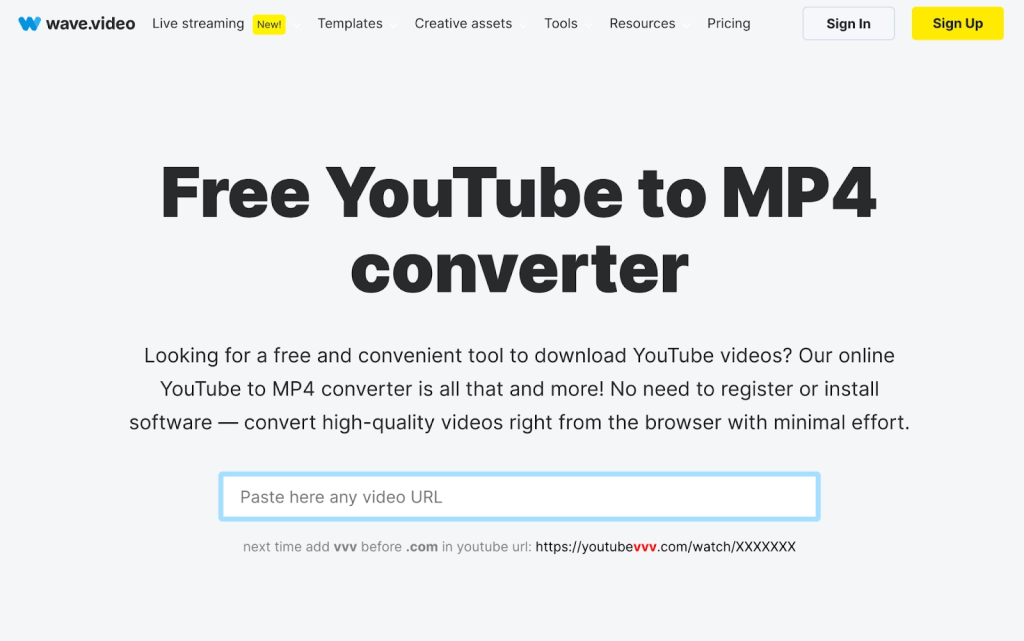
The use of YouTube to MP4 tools has grown rapidly as more people want offline access to videos for learning, reference, or personal viewing. At the same time, questions around legality continue to cause confusion. Many users are unsure whether converting videos is allowed, restricted, or completely illegal. The answer depends on several factors related to copyright law, platform rules, and how the converted content is used.
Understanding these points clearly helps users avoid mistakes and make responsible choices.
Why Legal Concerns Exist Around YouTube to MP4
Most videos available on YouTube are protected by copyright. Copyright laws exist to protect creators by giving them control over how their content is copied, shared, and reused. While YouTube allows free streaming, it does not automatically grant permission to download or convert videos into MP4 files.
Converting a video creates a copy, and copying is one of the exclusive rights granted to copyright holders. This is the core reason legal questions arise when using YouTube to Mp4 tools.
Copyright Basics Explained Simply
Copyright means the creator owns the content unless they give permission to others to use it. This ownership includes videos, music, lectures, and entertainment content.
Watching a video online is considered temporary access. Saving it as an MP4 file creates a permanent copy, which is treated differently under the law. Even if a video is publicly accessible, it is not automatically free to download or convert.
YouTube Rules and Terms of Service
YouTube has its own terms that users agree to when using the platform. These rules generally prohibit downloading or copying videos unless YouTube provides a built-in download feature.
Using external YouTube to MP4 converters usually goes against these terms. While violating platform rules is not always the same as breaking the law, it can still result in penalties such as account warnings or restrictions.
Is Converting YouTube to MP4 Always Illegal
Converting videos is not automatically illegal in every situation. Legality depends on the type of content, permission from the creator, and how the MP4 file is used afterward.
Some situations allow conversion with minimal legal risk, while others clearly violate copyright protections.
Situations Where Conversion May Be Allowed
Creator Permission
If the video owner clearly allows downloads or reuse, converting to MP4 is generally acceptable. Some creators openly encourage sharing or offline use of their content.
Permission can be stated in the video description or through a license.
Public Domain Content
Public domain videos are not protected by copyright. These can usually be converted freely. However, users must be careful, as not all old or educational videos automatically fall into the public domain.
Creative Commons Licensed Videos
Some YouTube videos use Creative Commons licenses. These licenses allow reuse under specific conditions, such as giving credit or avoiding commercial use. Converting such videos to MP4 may be allowed if all license terms are followed properly.
Educational Use and Fair Use Misunderstandings
Many users assume education automatically makes conversion legal. This is not always true.
How Fair Use Works
Fair use considers purpose, amount used, and impact on the original work. Downloading or converting an entire video often goes beyond what fair use allows, even for learning or teaching purposes.
Why Fair Use Is Risky to Rely On
Fair use is decided case by case. There is no guarantee that converting a full video using YouTube to MP4 tools will qualify as fair use. Relying on it without permission carries legal uncertainty.
Streaming Versus Downloading
Streaming allows temporary viewing without creating a permanent file. Downloading or converting creates a stored copy that can be reused, shared, or redistributed.
Because YouTube to MP4 conversion creates a permanent copy, it raises stronger copyright concerns than simple streaming.
Personal Use Compared to Sharing
Keeping an MP4 file for private viewing is less risky than sharing it with others. Uploading, distributing, or using converted videos publicly significantly increases legal exposure.
Most copyright issues arise when converted content is redistributed or used commercially.
Legality of YouTube to MP4 Tools
The tools themselves are usually legal software. They function as converters, similar to other media tools.
Legal responsibility typically falls on how the user applies the tool. Using it on copyrighted material without permission is where problems begin, not the existence of the tool itself.
Possible Risks for Users
Copyright holders have the right to protect their content. In serious cases, this may involve takedown notices or legal action.
Platforms may also take action against accounts that repeatedly violate rules. While many users never face consequences, the risk still exists.
Differences in Laws by Country
Copyright laws vary across regions. Some countries allow limited private copying, while others enforce stricter rules.
This means the legality of YouTube to MP4 conversion can differ depending on location. Users should consider both local laws and platform policies.
Safer Ways to Access Content Offline
Using official download features offered by platforms is the safest option. These features operate within legal and contractual boundaries.
Seeking direct permission from content creators is another reliable approach, especially for educational or professional use.
Responsible Use Matters
Respecting creators’ rights is essential. Avoid converting copyrighted videos without permission and never redistribute downloaded content.
Responsible use supports fair content creation and reduces legal risk.
Who Should Be Extra Cautious
Businesses, educators, and content creators should take extra care. Using YouTube to MP4 conversions in professional or commercial settings carries higher legal responsibility.
Clear permission and proper licensing are especially important in these cases.
Final Thoughts
The legality of YouTube to MP4 conversion depends on content ownership, permission, usage, and local laws. While conversion is not always illegal, it often exists in a gray area that requires caution.
Understanding copyright principles, respecting platform rules, and using converted content responsibly are the best ways to avoid legal trouble and make informed decisions.
