

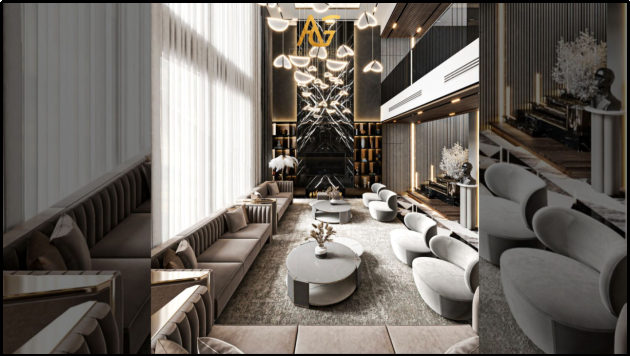
An empty property is simply a structural shell. What transforms it into a comfortable, efficient, and livable home is interior fitting. This process blends design intent with practical execution, ensuring that every space functions smoothly while reflecting the lifestyle of its occupants. Interior fitting is not just about aesthetics, it is about usability, durability, and long-term performance.
Understanding Interior Fitting in Residential Spaces
Interior fitting refers to the installation and integration of all internal components that make a house functional. These include flooring systems, ceilings, partitions, cabinetry, doors, lighting, electrical layouts, plumbing fixtures, and storage solutions. Each element must work together seamlessly to support daily living while maintaining design consistency.
A well-executed interior fitting plan ensures that spaces are neither underutilized nor overcrowded. It focuses on comfort, movement, accessibility, and efficient use of space, turning empty rooms into purposeful living areas.
The Role of Planning in Interior Fitting
Planning is the foundation of successful interior fitting. Before execution begins, layouts are studied to understand space flow, lighting access, ventilation, and room proportions. Kitchens are planned for workflow efficiency, bedrooms for privacy and comfort, and living areas for flexibility and interaction.
Early-stage planning minimizes design conflicts, avoids structural alterations later, and ensures smoother project execution. It also allows homeowners to align functionality with their lifestyle requirements from the beginning.
Material Selection: Balancing Aesthetics and Durability
Material choice plays a decisive role in interior fitting outcomes. Flooring materials must withstand foot traffic while complementing interior themes. Wall finishes should enhance lighting conditions and remain easy to maintain. Cabinetry materials must resist moisture, heat, and daily wear.
Selecting durable materials reduces maintenance costs and extends the life of interior finishes. When aesthetics and performance are balanced correctly, the home remains visually appealing and structurally sound over time.
Storage Solutions That Enhance Functionality
Modern interior fitting emphasizes smart storage planning. Built-in wardrobes, modular kitchens, concealed shelves, and multipurpose furniture help maintain organization without compromising visual openness.
Thoughtfully designed storage solutions reduce clutter and improve daily usability. They allow homes to feel spacious, organized, and adaptable to changing storage needs over time.
Lighting Design as a Functional Element
Lighting is a critical yet often underestimated aspect of interior fitting. A combination of ambient, task, and accent lighting improves visibility, functionality, and ambiance. Kitchens and workspaces require focused lighting, while living and sleeping areas benefit from softer, layered illumination.
Proper lighting placement also highlights textures, architectural elements, and finishes, adding depth and character to interiors while supporting everyday activities.
Execution and Coordination During Interior Fitting
The execution phase demands technical precision and coordination. A skilled interior fitting contractor ensures that installations follow approved plans, safety standards, and quality benchmarks. Their role includes coordinating trades, managing timelines, and addressing on-site challenges efficiently.
Professional execution prevents misalignment, material damage, and performance issues, ensuring that the fitted elements function as intended long after project completion.
Integrated Solutions from Professional Fit-Out Teams
For larger residential projects, many homeowners engage fit out companies that offer end-to-end interior solutions. These teams manage design coordination, procurement, execution, and quality control under a unified workflow.
This integrated approach ensures consistency across spaces and reduces delays, especially in villas, apartments, and multi-unit developments where uniform quality is essential.
Moisture Protection and Interior Longevity
Interior fitting must account for long-term protection against moisture-related damage. Bathrooms, kitchens, and utility areas are especially vulnerable. Integrating waterproofing measures during the fitting stage prevents seepage, material degradation, and structural weakening.
Collaborating with the best waterproofing company during interior execution ensures that protective systems are applied discreetly without disrupting design aesthetics.
Customization for Lifestyle and Future Needs
Every home has unique functional requirements. Interior fitting adapts spaces to suit household routines, family size, and long-term plans. Flexible layouts, modular fittings, and accessible design choices allow homes to evolve with changing needs.
This adaptability reduces renovation frequency and enhances the long-term value and usability of the property.
Interior Fitting as the Final Step in Home Creation
Interior fitting is where structure transforms into a lived-in space. It aligns technical execution with comfort, design with durability, and innovation with everyday usability. Each fitting decision shapes how a home functions, feels, and performs over time.
Conclusion
Interior fitting is the process that transforms a bare structure into a functional, comfortable home. Through careful planning, material selection, precise execution, and moisture protection, interior fitting ensures long-term usability, safety, and visual harmony. When design and technical performance work together, homes remain efficient, resilient, and adaptable over time.
Supporting this foundation, OFIXO strengthens interiors through specialized waterproofing expertise. They focus on protecting roofs, basements, water tanks, and expansion joints, ensuring structures remain dry and durable. Their problem-solving approach enhances interior longevity, prevents moisture damage, and safeguards the performance of fitted spaces.
