

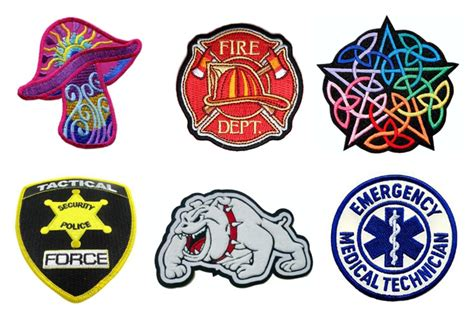
Custom embroidered patches have been used for years by clubs, teams, schools, brands, and organizations. In Canada, the process of making these patches follows careful steps that focus on detail, fabric quality, and long lasting results. This guide explains how custom patches Canada manufacturers create embroidered patches, from the first idea to the finished piece.
This article is written to help you understand the process clearly. It is not written to sell or promote. The goal is to explain how things work in simple words.
What Are Custom Embroidered Patches?
Custom embroidered patches are fabric pieces with stitched designs. These designs are created using thread instead of ink or print. The raised stitching gives the patch texture and strength.
These patches are commonly used on:
- Jackets and uniforms
- Hats and caps
- Backpacks and bags
- Sports and school apparel
- Workwear and safety clothing
In Canada, embroidered patches are often chosen because they handle cold weather, washing, and daily wear well.
How Does the Patch Making Process Start?
How Is the Patch Design Created?
The process starts with a design idea. This can be a logo, text, symbol, or artwork. The design does not need to be perfect at first, but it should clearly show shapes, colors, and wording.
Designs usually include:
- Size of the patch
- Shape such as circle, square, or custom
- Color choices for thread and background
- Type of border
Clear designs help avoid stitching issues later.
What Is Digitizing and Why Is It Important?
What Does Digitizing Mean for Embroidered Patches?
Digitizing is the step where artwork is converted into a stitch file. This file tells the embroidery machine where to place each stitch.
This step is important because:
- It controls stitch direction
- It sets stitch density
- It defines clean edges and shapes
Without proper digitizing, even a good design can turn out messy. Canadian patch makers spend time adjusting stitch paths so the final patch looks neat and readable.
What Materials Are Used for Custom Patches in Canada?
Fabric Used as the Patch Base
The base fabric is the foundation of the patch. Common materials include:
- Twill fabric
- Felt
- Cotton blends
Twill is the most common choice because it is strong and smooth. It holds stitches well and works for detailed designs.
Thread Used for Embroidery
Embroidery threads are chosen based on color strength and durability. Most custom patches Canada producers use polyester thread because:
- Colors stay bright
- Thread resists fading
- It handles washing better
How Are Embroidered Patches Stitched?
How Do Embroidery Machines Work?
Once digitizing is complete, the stitch file is loaded into an embroidery machine. The fabric is placed tightly in a hoop to keep it flat.
The machine then:
- Follows the stitch file step by step
- Applies thread layer by layer
- Builds texture and depth
Depending on the design, stitching can take a few minutes or longer.
Types of Stitching Used
Common stitching styles include:
- Satin stitch for borders and letters
- Fill stitch for large areas
- Running stitch for fine details
Each stitch type serves a different purpose and affects the final look.
How Are Patch Borders Made?
What Is the Purpose of a Patch Border?
Borders help keep the patch edges clean and stop fraying. In custom embroidered patches, borders also improve shape and strength.
Common border types:
- Merrowed border which is thick and rounded
- Heat cut border which follows sharp shapes
Merrowed borders are often used for classic round or oval patches. Heat cut borders work better for detailed or custom shapes.
What Backing Options Are Used on Custom Patches?
Why Does Patch Backing Matter?
Backing decides how the patch is attached to clothing or accessories.
Common backing types include:
- Sew on backing
- Iron on backing
- Hook and loop backing
- Adhesive backing
Sew on backing is often used for long term use. Iron on backing is common for quick attachment but still benefits from stitching.
How Is Quality Checked Before Finishing?
What Happens During Quality Checks?
Before patches are cut and packed, they are checked for:
- Stitch accuracy
- Color match
- Clean borders
- Fabric strength
Any patch with loose threads or errors is corrected or removed. This step helps maintain consistency across batches.
How Are Patches Cut and Finished?
Cutting the Patches
After embroidery is complete, patches are cut from the fabric sheet. Heat cutting or laser cutting is often used to keep edges smooth.
Final Finishing Steps
Final steps include:
- Trimming extra threads
- Pressing patches flat
- Applying backing if needed
Only after these steps are patches ready for use.
Comparison Table of Patch Elements
| Patch Element | Purpose | Common Choice in Canada |
| Base Fabric | Holds embroidery | Twill |
| Thread Type | Forms design | Polyester |
| Border | Protects edges | Merrowed |
| Backing | Attachment method | Sew on |
| Stitch Type | Adds texture | Satin stitch |
Why Are Custom Embroidered Patches Popular in Canada?
Custom patches Canada users prefer embroidery because it offers:
- Long lasting wear
- Clear and bold designs
- Strong fabric support
- Professional appearance
They work well in workwear, uniforms, and outdoor clothing.
Frequently Asked Questions
How long does it take to make custom embroidered patches?
Production time depends on design detail and quantity. Simple designs take less time than detailed ones.
Are embroidered patches washable?
Yes. Most custom embroidered patches handle regular washing when properly attached.
Can small text be used on patches?
Small text is possible, but very fine details may be simplified during digitizing for clarity.
What size works best for embroidered patches?
Medium sizes usually work best because they balance detail and readability.
Do embroidered patches fade over time?
High quality thread resists fading, especially when polyester thread is used.
Conclusion
Custom embroidered patches are made through a clear and careful process in Canada, starting from design and ending with a finished fabric piece. Each step, from digitizing to stitching and cutting, plays a role in the final look and strength of the patch. Understanding this process helps in choosing the right size, fabric, and backing. For many uses, custom iron on patches are also preferred because they allow easy attachment while keeping the same stitched quality.
