

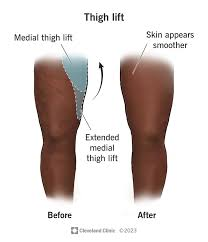
Achieving firmer, more toned legs is a goal many people share, especially when aging, weight fluctuations, or genetics lead to skin laxity in the inner thigh area. This is exactly where inner thigh surgery steps in as a transformative option.
Inner thigh surgery reshapes the thighs by reducing excess skin, tightening underlying tissues, and improving contour. For those frustrated with sagging skin that does not respond to exercise or weight management, it can be an empowering and confidence enhancing solution.
Below is an in-depth exploration of how inner thigh surgery works, who it is for, what the procedure involves, and what recovery and long-term results look like.
Understanding What Causes Sagging Skin in the Inner Thighs
Sagging or loose skin in the thighs is a common concern, and several factors can contribute to this.
Major Causes Include
- Significant weight loss
After losing large amounts of weight, skin may not retract fully, especially in areas where elasticity has weakened over time. - Natural aging
Collagen and elastin production decreases as we age, causing the skin to lose firmness and structure. - Genetic influence
Some people are predisposed to storing fat or developing skin laxity in the inner thighs. - Lifestyle factors
Lack of exercise, smoking, and poor dietary habits can accelerate the decline of skin elasticity. - Hormonal fluctuations
Changes in hormones can alter fat distribution and skin quality.
Understanding these underlying causes helps patients make informed decisions about whether surgery might be the right solution for them.
What Inner Thigh Surgery Actually Does
Inner thigh surgery is designed to correct skin laxity and reshape the thigh region. While techniques vary, all approaches aim to restore a smoother, firmer, and more sculpted appearance.
Core Objectives of the Procedure
- Remove loose or sagging skin
- Tighten underlying tissue structures
- Reduce stubborn fat deposits
- Improve leg contours and symmetry
- Enhance comfort by reducing chafing and skin folds
The results often extend beyond aesthetics, improving mobility and making clothing fit more comfortably.
Types of Inner Thigh Surgery
Surgeons choose specific techniques based on a patient’s anatomy, skin quality, and desired results. Each method offers unique benefits depending on the severity of excess skin or fat.
Common Surgical Techniques Include
1. Medial Thigh Lift
This is the most common technique. It targets the upper inner thigh and is ideal for patients with mild to moderate sagging.
- Incision is placed in the groin crease
- Skin is tightened from the upper thigh downward
- Suitable for patients with good skin elasticity
2. Vertical Thigh Lift
Recommended for those with significant loose skin along the inner thigh.
- Incision runs vertically down the inner thigh
- Allows removal of larger amounts of skin
- Offers dramatic reshaping but with a longer scar
3. Spiral Thigh Lift
A more comprehensive approach targeting the front, back, and outer thigh.
- Ideal for massive weight loss patients
- Provides extensive contouring and tightening
4. Mini Thigh Lift
A smaller, less invasive version of the medial thigh lift.
- Best for mild skin sagging
- Minimal scarring
- Shorter recovery time
5. Thigh Lift with Liposuction
Often, liposuction is combined with skin tightening for optimal results.
- Removes stubborn pockets of fat
- Enhances definition
- Helps avoid irregularities in contour
A skilled surgeon will evaluate each individual’s anatomy and recommend the technique most likely to deliver balanced, natural-looking results.
Who Is an Ideal Candidate for Inner Thigh Surgery
While the procedure offers excellent results, not everyone is the right candidate. Surgeons look at multiple factors before recommending thigh lift surgery.
Ideal Candidates Generally Include
- Individuals with loose or sagging skin after weight loss
- People with soft tissue laxity due to aging
- Patients who maintain a stable weight
- Non-smokers or those willing to quit temporarily
- Individuals in good overall health
- Patients with realistic expectations regarding scarring and recovery
- Anyone experiencing discomfort or chafing due to excess thigh skin
The better your general health and skin quality, the more satisfying your surgical outcome is likely to be.
How to Prepare for Inner Thigh Surgery
Preparation plays a huge role in ensuring a smooth and safe surgical experience.
Key Pre-Surgery Steps Often Include
- Medical evaluation
Includes blood tests and a detailed health review. - Medication adjustments
Some medications, supplements, and herbs must be paused to avoid complications. - Lifestyle changes
Surgeons often recommend avoiding smoking for several weeks before and after surgery. - Maintaining stable weight
Weight fluctuations can affect outcomes and skin tightness. - Arranging post-surgery support
Patients need help with mobility, meals, and household tasks for a few days.
Preparing thoroughly ensures both the surgery and recovery process are far more comfortable.
What Happens During the Procedure
Even though techniques vary, the overall process follows a predictable structure.
The Procedure Typically Includes
1. Anesthesia Administration
Patients receive general anesthesia or sedation to ensure comfort throughout the procedure.
2. Incision Placement
The surgeon places incisions according to the selected technique. Care is taken to position them discreetly along the groin crease or inner thigh.
3. Removal of Excess Skin
Loose or sagging skin is carefully trimmed, and the underlying tissues are shaped for a smoother contour.
4. Liposuction if Needed
Fat may be removed to enhance definition and ensure natural-looking transitions.
5. Tissue Tightening
Deep tissues are tightened using sutures for longer-lasting firmness.
6. Closing the Incisions
The surgeon uses layered sutures to support the newly shaped tissue structure.
The entire surgery may last between two to four hours depending on the complexity and the amount of correction required.
Recovery and Healing After Inner Thigh Surgery
Recovery is a gradual process, and understanding what to expect can make the experience much smoother.
Common Recovery Milestones
First Few Days
- Swelling and bruising are normal
- Walking is encouraged but limited
- Dressings and compression garments are worn to support healing
First Two Weeks
- Mobility gradually improves
- Most people return to light activities
- Sutures may be removed depending on the technique used
Four to Six Weeks
- Patients resume normal physical activities
- Exercise can slowly re-enter the routine
- Swelling significantly reduces
Final Healing
- Scars begin to fade over several months
- Skin tightness becomes more apparent as tissues settle
- Final results appear between three to six months
Tips That Support a Smooth Recovery
- Wear compression garments as recommended
- Keep incisions clean and dry
- Avoid heavy lifting or strenuous exercise early on
- Sleep with legs elevated to reduce swelling
- Maintain hydration and balanced nutrition
A patient’s commitment to post-operative care is crucial for achieving the best results.
Expected Results and Long-Term Benefits
Inner thigh surgery by qualified surgeons from Top Plastic Surgeons USA offers both cosmetic and functional benefits that can significantly impact day-to-day life.
Common Improvements Include
- Tighter, smoother, and more toned inner thighs
- Reduced sagging skin and improved contour
- Enhanced leg symmetry and proportions
- Increased comfort during movement
- Less friction or chafing in the thigh area
- Improved self-image and confidence
Longevity of Results
Results are long lasting, especially when patients:
- Maintain a stable weight
- Follow healthy lifestyle habits
- Avoid smoking
- Exercise regularly
While natural aging continues, the improved contour remains noticeable for many years.
Final Thoughts
Inner thigh surgery is a powerful and effective solution for individuals struggling with sagging skin, tissue laxity, and stubborn fat in the inner thighs. By removing excess skin, tightening tissues, and sculpting the area, this procedure delivers a more defined, youthful, and balanced lower body contour. For people who have worked hard to lose weight or simply want to improve their leg shape, it can be a life-changing transformation that enhances both appearance and comfort.
