

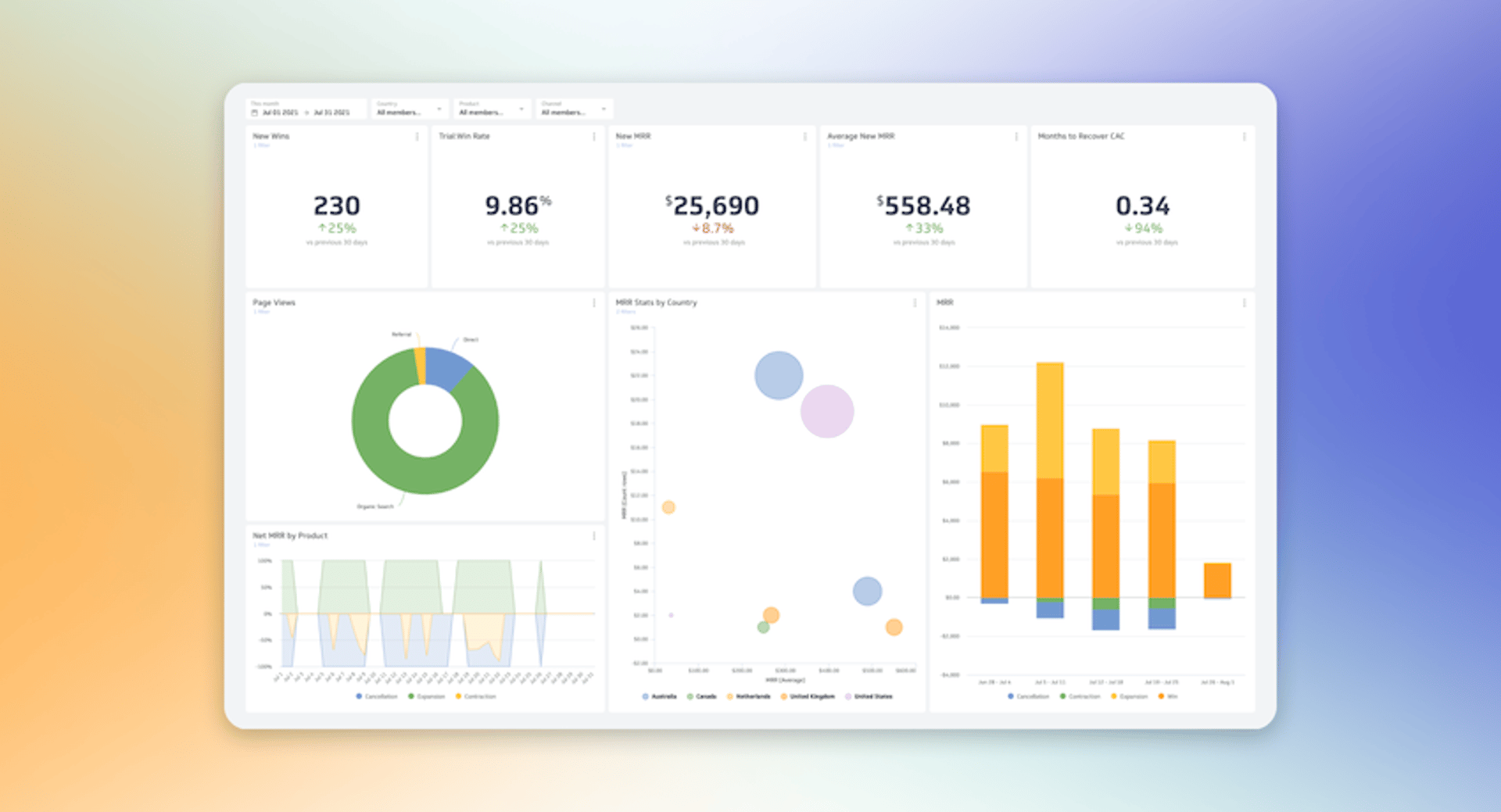
Marketing teams rely on dashboards to monitor campaigns, track KPIs, and guide decisions. Over time, subtle differences in filters, calculations, or data sources can create discrepancies. These inconsistencies reduce confidence in analytics and decision-making.
Centralizing reporting logic prevents errors before they affect outcomes. A dashboard validation tool ensures metrics are standardized, data flows are consistent, and duplicate calculations are eliminated across dashboards.
Common Sources of Dashboard Errors
Errors often accumulate slowly, making them hard to notice until reports are compared.
Multiple Dashboard Copies
Analysts duplicate dashboards for clients or internal teams. Each copy can introduce minor changes to filters or calculations, creating divergent results.
Platform Differences
Data pulled from multiple sources, such as CRM, paid media, and analytics tools, often have unique formatting or definitions. Rebuilding logic in multiple dashboards increases error risk.
Customized Stakeholder Views
Teams create tailored dashboards for clients or management. Changing metric names, groupings, or formulas can inadvertently cause inconsistencies.
Signs of Reporting Inaccuracy
Recognizing errors early helps prevent misinformed decisions.
Conflicting Metrics
Conversions, revenue, or other KPIs may vary across dashboards. Without a single source of truth, teams struggle to know which numbers are correct.
Filter and Date Range Issues
Even small differences in date ranges, time zones, or campaign filters can produce materially different results, often discovered only after side-by-side comparisons.
Fragile Data Joins
Complex blended dashboards may silently fail if source schemas change or keys are missing, producing incomplete or inaccurate data.
Operational Impact
Inaccurate metrics slow workflows. Analysts spend time validating dashboards instead of generating insights. Marketing decisions rely on potentially faulty numbers, and leadership confidence can erode. Agencies with multiple client dashboards face amplified inefficiencies when updates must be applied across copies.
Why More Dashboards Don’t Solve the Problem
Adding dashboards does not improve clarity. Unmanaged dashboards increase cognitive load and reconciliation work. Teams risk comparing conflicting results because there is no single authoritative version of metrics or logic.
How Centralized Reporting Improves Accuracy
Centralized logic addresses the root causes of inaccurate dashboards.
Unified Metric Definitions
Metrics are defined once and reused across all dashboards. Updates propagate automatically, eliminating discrepancies caused by duplicates.
Standardized Data Flow
Data from all platforms is normalized before visualization. Joins, mappings, and refresh rules are controlled centrally, preventing errors caused by inconsistent processing.
Scalable Team and Client Views
Instead of building multiple dashboards, teams reuse shared logic and apply customized filters or views. This reduces duplication while maintaining flexibility.
Ensuring Reliable Analytics
For teams managing multiple dashboards, governance is key. Platforms that centralize logic and automate reporting maintain accuracy while allowing analysts to focus on insights. Using the Dataslayer metrics platform provides a single source of truth, enabling consistent metrics across clients, campaigns, and teams.
By reducing reliance on duplicated dashboards, teams regain confidence in numbers and speed up decision-making.
Conclusion
Inaccurate dashboard metrics are often caused by structural issues rather than individual mistakes. Without centralized logic, duplicated dashboards, inconsistent filters, and platform differences create errors. A centralized reporting system restores trust, improves workflow, and ensures dashboards provide reliable insights.
