

In the digital era, seamless access to audio content depends on well-structured platform architecture. Behind every smooth search result, fast response time, and user-friendly interface lies a carefully designed technical framework. Understanding how a platform is built helps users appreciate how content is organized, delivered, and maintained efficiently.
This article provides a clear and simple overview of the Tubidy platform architecture. It explains how different components work together to support audio discovery, performance, and reliability, without going into overly technical detail.
What Is Platform Architecture?
Platform architecture refers to the structural design of a digital system. It includes how different parts of the platform are organized, how they communicate with each other, and how data flows from one component to another.
A strong architecture ensures that a platform can handle user requests quickly, scale with growing demand, and remain stable over time.
Why Platform Architecture Matters
Good architecture directly affects user experience. Faster searches, smooth navigation, and reliable access to content are all outcomes of an efficient system design.
Architecture also determines how easily a platform can adapt to changes, such as new features, increased traffic, or evolving user needs.
What Is Tubidy?
Tubidy is an online platform designed to help users search, stream, and download audio content in various formats. Its design focuses on simplicity, accessibility, and speed.
To deliver these features consistently, Tubidy relies on a structured and organized platform architecture that works quietly in the background.
Core Components of Tubidy’s Platform Architecture
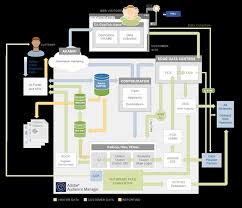
Tubidy’s platform architecture is made up of several interconnected components, each with a specific role.
User Interface Layer
The user interface is the front-facing part of the platform. It includes search fields, result listings, and navigation elements.
This layer is designed to be clean and easy to use so that users can focus on finding audio content without distractions or confusion.
Search and Query Processing Layer
When a user enters a search request, it is handled by the search processing layer. This component interprets keywords, identifies intent, and forwards the request to the appropriate system components.
Efficient query processing ensures fast and accurate search results.
Media Index and Data Layer
The media index is the heart of the platform. It stores structured information about available audio content, including titles, formats, and metadata.
This layer allows the platform to retrieve relevant results instantly without scanning raw data in real time.
Content Access Layer
Once a user selects an audio file, the content access layer manages how that file is delivered. It ensures compatibility, proper formatting, and smooth access across devices.
This layer plays a key role in performance and reliability.
How Data Flows Through the Platform
Data flow is the process by which information moves through the platform.
A user initiates a search, the query is processed, the media index is consulted, and relevant results are returned to the interface. This entire process happens in seconds due to efficient architectural design.
Scalability and Performance Design
Modern platforms must handle large numbers of users at the same time. Tubidy’s architecture is designed to scale smoothly as demand increases.
Scalability ensures that the platform remains responsive even during peak usage periods.
Reliability and Stability
Reliability is essential for maintaining consistent access to content. Platform architecture includes safeguards that help prevent downtime and ensure stable operation.
A well-structured system minimizes errors and supports continuous availability.
Device and Format Compatibility
Users access Tubidy from various devices, including smartphones and other digital platforms. The architecture supports multiple audio formats and device types.
This flexibility ensures that users receive a consistent experience regardless of how they access the platform.
Security and Data Handling
Platform architecture also includes measures to protect system integrity. Secure data handling helps maintain user trust and platform stability.
While the user may not see these processes, they play an important role in the overall system design.
Maintenance and Continuous Improvement
No platform remains static. Architecture must support ongoing updates and improvements without disrupting user experience.
Tubidy’s structure allows for regular optimization, feature enhancements, and system maintenance.
Why Simplicity Is a Key Design Choice
One of the defining characteristics of Tubidy is its simplicity. The architecture supports this by reducing unnecessary complexity and focusing on core functionality.
A simpler structure often leads to faster performance and easier usability.
How Architecture Supports User Experience
Every architectural decision ultimately impacts the user. Faster searches, clean layouts, and reliable access are all results of thoughtful system design.
By focusing on efficiency and clarity, the platform delivers a smooth and accessible experience.
Challenges in Platform Architecture
Designing and maintaining a platform architecture involves challenges such as handling high traffic, managing data accuracy, and ensuring compatibility across devices.
Addressing these challenges requires careful planning and continuous refinement.
The Future of Platform Architecture
As technology evolves, platform architecture must adapt. Improvements in data processing, system optimization, and user interface design will continue to shape how platforms operate.
Future developments aim to make platforms faster, smarter, and more responsive to user needs.
Conclusion
Platform architecture is the foundation that supports every feature users interact with. Tubidy’s platform architecture is designed to deliver fast searches, organized content, and reliable access through a well-structured system.
By combining a clean user interface, efficient search processing, and a strong media index, Tubidy creates a smooth audio discovery experience. Understanding this architecture helps users appreciate the technology working behind the scenes to make audio access simple, efficient, and reliable.
