

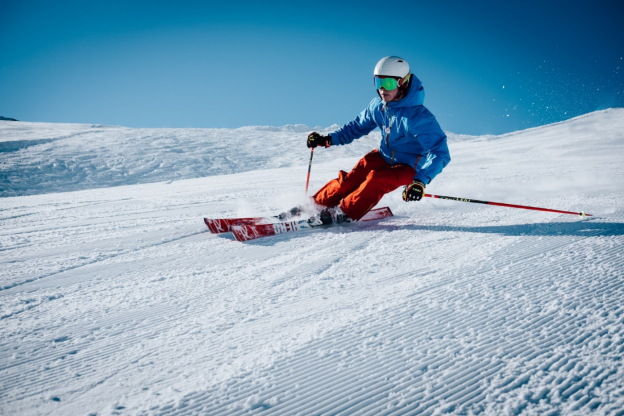
Skiing is often celebrated as an exhilarating winter sport, perfect for adventure seekers and snow enthusiasts. While most people associate skiing with leisure and thrill, its health benefits extend far beyond enjoyment. Engaging in skiing regularly can improve physical fitness, mental well-being, and even long-term health in ways you might not have realized. In this article, we will explore the lesser-known health benefits of skiing and why it’s an activity worth incorporating into your lifestyle.
Cardiovascular Health Boost
Skiing is an excellent cardiovascular workout. When you ski, your heart works harder to pump blood throughout your body, enhancing circulation and improving cardiovascular endurance. Both downhill skiing and cross-country skiing increase heart rate and oxygen consumption, which can lower the risk of heart disease, high blood pressure, and stroke over time. Cross-country skiing, in particular, is considered one of the most effective aerobic exercises because it engages both the upper and lower body simultaneously, providing a full-body cardio workout.
Strengthens Muscles and Improves Balance
Many people underestimate the muscle-building potential of skiing. Skiing engages multiple muscle groups, including the quadriceps, hamstrings, glutes, calves, and core. Each turn, jump, and glide requires your muscles to work in coordination, enhancing strength, stability, and endurance. Skiing also challenges your balance and coordination. Maintaining control on uneven slopes trains your core and lower body muscles, which can translate to improved stability in daily activities and reduce the risk of falls as you age.
Enhances Flexibility and Mobility
Skiing involves a wide range of movements, from bending and twisting to leaning and stretching. These motions naturally increase joint flexibility and range of motion, particularly in the hips, knees, and ankles. Over time, this can improve overall mobility and reduce stiffness, which is especially beneficial for older adults or those who spend long hours sitting at a desk. Unlike repetitive gym exercises, skiing provides dynamic movement that keeps your body agile and resilient.
Burns Calories and Supports Weight Management
Skiing is an effective way to burn calories without feeling like you are exercising intensely. The combination of endurance, strength, and balance work means that skiing can burn hundreds of calories per hour depending on your intensity and style. For example, downhill skiing may burn between 400 to 600 calories per hour, while cross-country skiing can burn up to 900 calories per hour. This calorie expenditure supports weight management and contributes to a healthier metabolism.
Boosts Mental Health and Reduces Stress
The benefits of skiing extend beyond the physical realm. Being outdoors in snowy landscapes, breathing fresh mountain air, and absorbing natural light can significantly improve mood and reduce stress levels. Skiing promotes the release of endorphins, the body’s natural “feel-good” chemicals, which can alleviate symptoms of anxiety and depression. Additionally, skiing requires focus and concentration, which provides a mental break from everyday worries, enhancing mindfulness and overall mental well-being. Staying at a cozy resort like Hotel El Ciasel in Canazei after a day on the slopes can further enhance relaxation and stress relief, providing the perfect balance of activity and comfort.
Strengthens Bones and Joints
Engaging in weight-bearing activities like skiing helps strengthen bones and improve joint health. The repeated pressure and resistance encountered during skiing stimulate bone density, reducing the risk of osteoporosis and bone-related issues as you age. Skiing also supports joint stability by strengthening the surrounding muscles, which helps protect against injuries both on and off the slopes. It is a fun and dynamic way to maintain skeletal health while enjoying winter adventures.
Improves Lung Function
Skiing in high-altitude environments can improve lung function and oxygen efficiency. At higher elevations, the body adapts to lower oxygen levels by increasing red blood cell production, enhancing oxygen delivery to muscles and organs. Regular skiing in these conditions can boost respiratory capacity, endurance, and overall lung health. For those living at lower altitudes, even occasional trips to the mountains can offer these respiratory benefits.
Promotes Social Interaction and Connection
Skiing is often a social activity, whether you are skiing with friends, family, or joining a ski class. Social interaction plays a critical role in mental and emotional health, reducing feelings of loneliness and boosting overall life satisfaction. Group skiing also encourages motivation, accountability, and support, making it easier to maintain a regular fitness routine while enjoying the camaraderie of like-minded individuals.
Enhances Cognitive Function
Skiing challenges the brain as much as the body. Navigating slopes, adjusting to changing terrain, and making split-second decisions enhance cognitive functions such as spatial awareness, problem-solving, and reaction time. This combination of mental and physical engagement has been shown to improve memory and attention span, which can benefit people of all ages. Skiing provides a dynamic environment that stimulates both the mind and body simultaneously.
Encourages a Healthy Lifestyle
The benefits of skiing extend beyond the slopes and into everyday life. People who ski regularly often adopt healthier habits, such as maintaining better nutrition, staying active, and prioritizing self-care. Skiing encourages a connection with nature, which has been linked to increased overall wellness, reduced stress, and a positive outlook on life. By making skiing a part of your routine, you are more likely to embrace a lifestyle that promotes long-term health and vitality.
Skiing for All Ages
One of the remarkable aspects of skiing is that it offers health benefits for people of all ages. Children develop coordination, strength, and confidence, while adults and seniors can maintain fitness, mobility, and mental sharpness. Adaptive skiing programs also make it accessible for individuals with physical disabilities, allowing everyone to experience the physical and psychological advantages of this winter sport. Skiing truly is an inclusive activity that contributes to lifelong health.
Conclusion
Skiing is far more than a recreational pastime; it is a comprehensive workout for the body and mind. From improving cardiovascular health and strengthening muscles to enhancing flexibility, lung capacity, and cognitive function, skiing offers a unique combination of benefits that few other activities provide. The mental health advantages, social engagement, and promotion of a healthy lifestyle further amplify its value. Whether you are a seasoned skier or trying it for the first time, incorporating skiing into your routine can lead to a healthier, happier, and more balanced life. Next time you hit the slopes, remember that every turn and glide is not just fun—it’s a step toward better health.
