

Healthy teeth in childhood lay the foundation for a lifetime of oral well-being. Parents often focus on brushing and diet, but preventive dental care offers additional protection that can significantly improve a child’s dental health. One such preventive measure is the use of sealants, a thin protective coating applied to the chewing surfaces of teeth. Sealants are designed to shield enamel from cavities and decay while requiring minimal effort from children during daily oral hygiene routines. We will explore how sealants work, why they are recommended, and how a pediatric-focused dental practice integrates them into a comprehensive care plan. By emphasizing prevention, dental teams aim to reduce cavities, protect enamel, and foster a positive experience for young patients, setting the stage for lifelong dental health.
Understanding Sealants and Their Role in Pediatric Dentistry
Sealants are a protective layer applied to the grooves and fissures of teeth where food particles and bacteria often accumulate. These areas can be difficult to clean thoroughly with regular brushing alone, leaving them prone to decay. The sealant material is a safe, durable resin that bonds to the enamel and creates a barrier against harmful substances. A dentist in Abbotsford can ensure the application process is handled carefully, helping children feel comfortable and informed throughout the procedure. Sealants are particularly valuable for molars and premolars, which are essential for chewing but are vulnerable to cavities. Regular check-ups allow dental professionals to monitor sealants and reapply them as needed, maintaining optimal protection. This proactive approach helps children avoid the pain and inconvenience of fillings and other restorative procedures while promoting overall oral hygiene.
The Benefits of Sealants for Children
The advantages of sealants extend beyond cavity prevention. By creating a smooth, protected surface on the teeth, sealants reduce the likelihood of enamel damage and support long-term dental health. Sealants are quick to apply, non-invasive, and require no drilling or anesthesia, making them suitable even for anxious children. Beyond protection, sealants can also help instill confidence in young patients. Children who experience painless, positive dental treatments are more likely to maintain healthy oral habits and look forward to future visits. Parents are provided with guidance on proper oral care at home, reinforcing the protective effect of sealants. This combination of professional treatment and home care fosters a comprehensive strategy that addresses both prevention and education, creating a foundation for lasting dental wellness.
The Process of Applying Sealants
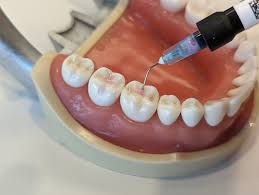
The application of sealants follows a careful, child-friendly procedure. Initially, teeth are cleaned and dried to ensure optimal adhesion of the sealant material. The dental professional then applies the resin to the teeth’s grooves, using gentle techniques to ensure the child’s comfort. A curing light may be used to harden the sealant quickly, providing an immediate protective barrier. The entire process is painless and typically takes only a few minutes per tooth. Follow-up visits are scheduled to assess the condition of the sealants and determine whether additional application is needed. By maintaining this cycle of preventive care, children receive ongoing protection as their teeth develop and mature, minimizing the risk of decay during critical years of growth.
Promoting Positive Dental Experiences
Creating a welcoming and reassuring environment for children is essential in pediatric dentistry. Positive, educational dental visits can have a lasting impact on a child’s attitude toward oral health. Staff members explain procedures in age-appropriate language, allowing children to understand what is happening and feel empowered in their care. This attention to emotional comfort complements the physical benefits of sealants, ensuring that children associate dental visits with safety and support rather than fear. Educating parents about the advantages of sealants and proper home care further reinforces these efforts. Together, professional treatment, parental involvement, and a child-friendly environment contribute to a comprehensive strategy for lifelong dental health.
Integrating Sealants into Comprehensive Pediatric Care
Sealants are just one component of a broader approach to pediatric dentistry. Routine examinations, professional cleanings, fluoride treatments, and personalized guidance all work together to protect developing teeth. By integrating sealants into this framework, dental teams address the most vulnerable areas of the teeth while reinforcing overall oral health. Emphasis on prevention aligns with modern dental philosophy, which prioritizes minimizing invasive procedures and promoting proactive care. Children benefit not only from the immediate protective effects of sealants but also from developing healthy habits that reduce the risk of future dental problems. This holistic approach ensures that dental visits are productive, educational, and positive experiences.
Healthy teeth in childhood are essential for maintaining overall oral health into adulthood. The use of sealants demonstrates a commitment to preventive care that safeguards young smiles while fostering positive attitudes toward dentistry. By combining professional treatment, ongoing monitoring, and parental education, dental teams create a supportive environment where children can thrive. Sealants provide a reliable layer of protection, reducing the risk of cavities and supporting proper dental development. Through this proactive approach, families are empowered to prioritize oral health, ensuring that children enjoy strong, healthy teeth and a confident smile for years to come.
