


You’ve waited so long to eliminate annoying pests from your home. So, you made the smart decision, called in professionals, and now it finally feels safe and comfortable again. Then, just two weeks later, you notice a cockroach dart across your counter. Or maybe you hear the same familiar scratching inside your walls that you heard before the treatment. It’s a sinking feeling. You thought the problem was over, but what you didn’t know is that pests regroup and come back stronger.
Pests don’t go away instantly—when you apply treatment, they retreat and wait for the right time, then sneak back in. Local exterminators see this all the time—and they know that it doesn’t stop at the treatment; prevention is the real game-changer. They usually go a step further by sealing tiny crevices and advising you on how to reduce humidity and get rid of food sources that encourage infestations later.
Professional Exterminators: 7 Steps to a Pest-Free Home
Here are 7 key tactics that professional local exterminators near you recommend for keeping pests away for good and ensuring your home stays safe.
1. Seal the Holes that Let Pests In
The warmth in your house and the availability of food make it desirable to pests. All the cracks, vents, and small openings are the doors that let pests in. Even a pencil-width opening is enough for tiny rodents or insects to crawl through.
Exterminators know where to look and will ensure that all possible entry points around pipes, baseboards, foundation vents, doors, windows, and vents are sealed using materials like durable caulk or weatherstripping. Since pests love warmth and moisture, these simple fixes prevent most infestations before they start and keep your house pest-free once treated.
2. Keep Surfaces Dry
Moisture is a green light to pests. Leaks, damp basements, clogged gutters, and condensation attract termites, cockroaches, silverfish, and other pests. Exterminators always point out moisture control as one of the strongest defenses you have.
Seal the leaks as soon as possible, clean gutters, divert downspouts, and clear standing water on the floor or in plant saucers or outdoor containers. Use a dehumidifier in basements or bathrooms and ventilate kitchens well to keep humidity below 50. A dry home keeps pests away and stops mold from growing.
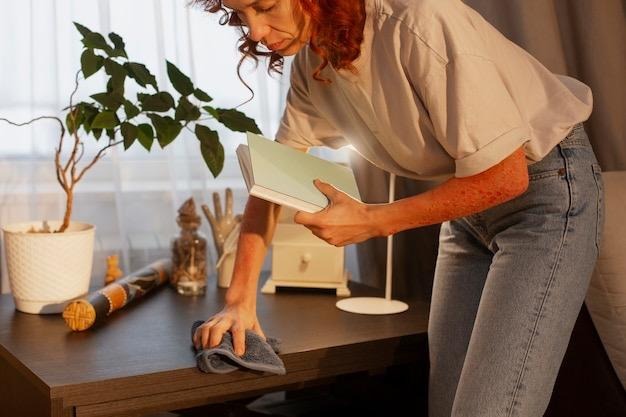
3. Clean Up — Pests Love Clutter
Clutter is not just a nuisance. Stacks of cardboard, newspapers, and other unused stuff provide rodents, spiders, and cockroaches with the perfect nesting spots. Store items you don’t use in sealed plastic bins and keep them off the floor. Having a clean house makes pests easier to spot and makes it harder for them to stay.
4. Handle Food Properly
Food is a major pest magnet. Exterminators emphasize keeping dry goods sealed, cleaning up spills immediately, emptying trash often, and not leaving dirty dishes overnight. No food, no pests. When there is no food, pests will go. Adopting these good cleanliness habits helps keep your home pest-free and healthy. It also ensures that the effort of professional pest control treatment doesn’t go to waste because even the best treatments fail when there’s still plenty of food residue that keeps pests around.

5. Turn Your Yard into a Pest-Free Zone
Most infestations begin outdoors. Overgrown grass, mulch piles, and shrubs touching your home give pests easy access and cover. Exterminators recommend trimming shrubs 12–18 inches from walls, clearing debris, raising a firewood area, and creating a gravel barrier near your foundation.
You can also grow pest-repelling plants like mint, rosemary, or lavender near doors. Installing motion lights also helps deter nighttime insects or rodent activity. A well-kept yard is your first line of defense, keeping pests from entering your home.
6. Stay Ahead with Regular Professional Inspection
Even the most vigilant homeowners can miss tiny evidence of infestation early. That’s why exterminators recommend quarterly or seasonal thorough inspections to catch problems before they grow. Here’s where working with a local exterminator makes a difference—they’re nearby, and keeping a schedule is easier.
When they come in, they look for droppings, chew marks, termite frass, or anything that suggests pest presence that you’ll hardly notice with DIYs. They use safe products and IPM-based methods that focus on monitoring and targeted treatments for long-term results. These inspections are important, especially after rainy seasons when humidity is high and pest activity peaks. Such a proactive approach allows solving the problem at the initial stages, which saves time, money, and stress in the future.

7. Get Everyone Involved in Pest Prevention
Even the best plans fail without teamwork. To ensure that others’ practices don’t subvert your efforts, get everyone on board to help seal food, clean up, and report any pest sightings. Experts recommend creating a checklist or routine to help everyone stay alert because one careless habit can undo professional work. And when everyone joins in, prevention becomes second nature, making it very difficult for pests to return.
Conclusion
The pests don’t surrender easily. You treat them, they back off, and then wait for the right moment to come out again. If you have an infestation, begin with professional treatment that covers all corners to eradicate the pests.
Next, make it a habit to package food in sealed containers, keep surfaces dry, tidy up regularly, sensitize family members, and maintain consistency. Follow these tips properly, and you will have a strong defense against troublesome pests over a long period of time. That keeps your house comfortable and safe from health hazards.
So, find a local professional with a good reputation, have them inspect your house, and provide recommendations on safe measures. When you make prevention a routine, you hardly feel like you’re putting in so much effort.
