

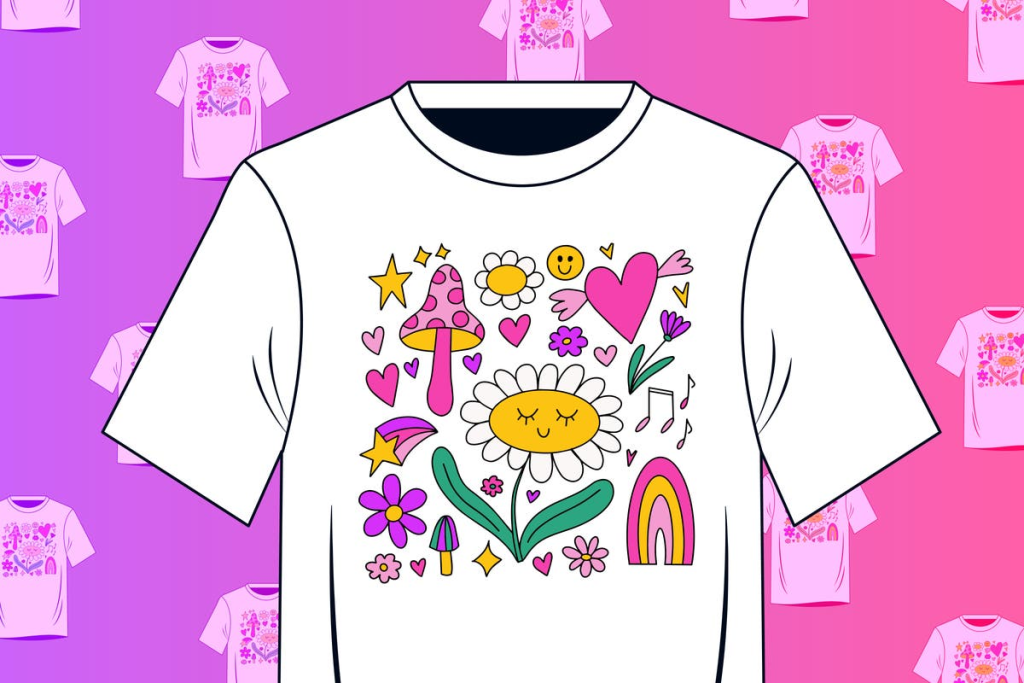
There’s something powerful about a T-shirt that speaks for you before you even say a word. Whether it’s a sentimental design, a bold statement, or a simple aesthetic pattern, custom tees have become one of the easiest ways to express identity. And today, creating your own isn’t just for designers or print shops; it’s accessible to anyone with an idea and the curiosity to bring it to life.
But with so many tools, trends, and approaches available, how do you create a design that feels personal, professional, and stylish enough to actually wear? That’s where knowing how to design and where to build your vision makes all the difference. Resources like Adobe Express offer intuitive tools for brainstorming, editing, and turning your concept into printable shirts without needing technical skills.
Why Custom T-Shirts Are More Popular Than Ever
Customization has shifted from a niche hobby to a mainstream movement. People are no longer satisfied with mass-produced designs that vaguely reflect their taste. They want apparel that aligns with their personality, values, humor, or brand identity.
Think about the shirts you’ve saved over the years: a concert tee, a memorable slogan, a logo that represents a group you care about. These aren’t “just clothes”; they’re memories. They tell stories. And that emotional pull is exactly why more creators, small businesses, and everyday people are embracing the idea of designing their own pieces.
Start With a Concept That Matters
Before you open a design tool or browse templates, pause and ask yourself a simple question: What is this shirt trying to say?
This step doesn’t need to be complicated. Maybe you want a minimalist line-art illustration. Or a funny quote based on an inside joke with your friends. Maybe it’s merch for your new brand or a T-shirt for your team’s next big event.
The clearer the intention, the smoother the design process becomes. Most of the frustration people face comes from skipping this early clarity, so take a moment to define your message.
Explore Styles That Match Your Idea
Every T-shirt design falls into a style category, even if you don’t immediately realize it. Some popular directions include:
- Bold typography — Think strong slogans, big lettering, and high contrast. Great for events or statements.
- Minimalist designs — Clean lines, simple shapes, breathable layouts.
- Retro/vintage themes — Distressed textures, warm color palettes, nostalgic fonts.
- Illustration-based art — Characters, cartoons, hand-drawn elements.
- Photo-based designs — Snapshots, collages, or stylized images.
Looking at a few style examples can help you understand what vibe fits your idea best. It also gives you a sense of the color palette, layout, and spacing you might want to use.
Use Trusted Tools That Make Designing Easier
This is where digital platforms come in. A good design tool should make the process intuitive, even for beginners. Look for features like:
- Drag-and-drop editing so you can focus on creativity, not software complexity
- Ready-made templates that serve as visual inspiration or starting points
- Free fonts, icons, images, and shapes that help you build without extra costs
- Export options optimized for printing to ensure your final product looks sharp on fabric
Tip: When choosing visuals, prioritize clarity. Anything pixelated or stretched will show when printed.
Think Like a Designer Even if You’re Not One
Small refinements make a huge difference in the final result. Here are a few design principles worth following:
1. Keep your layout balanced
Avoid clutter. Most impactful shirts use a maximum of one to three core elements.
2. Choose colors that complement each other
If your shirt is black, bold bright colors will pop. If your shirt is light, darker or richer tones stand out. Professional designers use contrast intentionally.
3. Pay attention to spacing
Designs need room to “breathe.” Too much crowding makes even great art look cheap.
4. Use high-resolution graphics
Print quality matters more on clothing than digital screens. Aim for crisp edges and clean lines.
Test Your Design Before You Print
One of the most underrated steps in T-shirt creation is mockups. Seeing your design on an actual shirt preview helps you evaluate:
- Does the size feel right?
- Is the placement too high or too low?
- Are the colors readable on the chosen fabric?
- Does the overall layout feel cohesive?
Most creators tweak their design once or twice after reviewing mockups, and the final result is always better.
Real-Life Uses for Custom T-Shirts
Custom designs aren’t just for aesthetics. They can be extremely practical too:
- Small business branding — Merch creates visibility and builds community
- Events and reunions — Matching shirts add fun and a sense of belonging
- Gifts — Personalized designs feel thoughtful and unique
- Online stores — Digital creators often use T-shirt designs as passive income products
- Team uniforms — Sports, corporate groups, school clubs, and more
No matter the purpose, personalizing apparel creates an experience, not just a product.
Final Thoughts
Designing your own T-shirt is easier than it’s ever been, but what makes a truly great design isn’t the tool; it’s the intention behind it. Start with meaning, keep your layout clean, trust your instincts, and don’t be afraid to adjust as you go. When your shirt tells a story, people feel it instantly. And whether it’s for yourself, your brand, or your community, that story becomes something you can proudly wear.
