

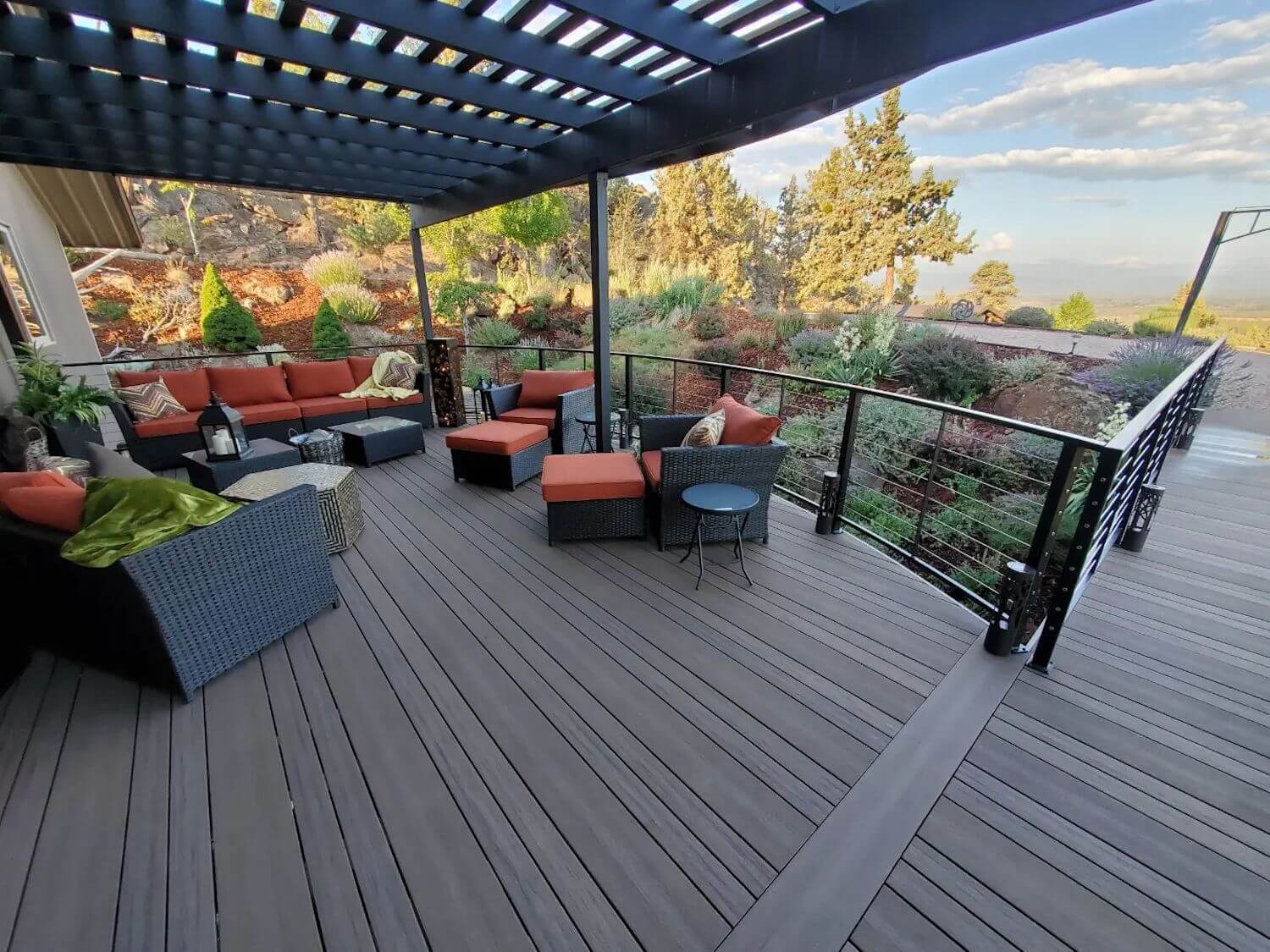
Deck repair is essential to maintain the safety and longevity of any outdoor structure. Over time, exposure to weather causes wood to crack, rot, and weaken, which can lead to unsafe conditions. The key to effective deck repair is identifying and addressing damage early, such as replacing rotting boards, securing loose railings, and reinforcing structural supports.
A well-maintained deck not only extends its lifespan but also enhances the overall value and enjoyment of the home. Repair efforts range from simple fixes like tightening nails to more involved tasks like replacing damaged joists or using wood repair agents. Professional inspections help ensure the deck stays safe and functional throughout the seasons.
Ignoring deck damage can lead to costly repairs or even hazards, making timely maintenance important. Whether a deck needs minor repairs or full restoration, understanding the repair process provides homeowners with the confidence to maintain a sturdy outdoor space.
Essential Steps for Deck Repair
Repairing a deck requires careful attention to its condition, choosing the right materials, and thorough preparation before any work begins. Each step ensures the repair is effective and long-lasting.
Assessing Deck Damage
The first step in deck repair is a detailed inspection. Look for loose or rotting boards, rusted nails, and any signs of structural weakening. Check railings, stairs, and support beams for stability, as these are critical for safety.
Pay close attention to areas exposed to moisture, such as under planters or near gutters. Rot and decay often start in hidden spots, so probing suspect wood with a screwdriver can reveal soft areas. Document damaged sections to determine what needs replacing or reinforcing.
Selecting Repair Materials
Choosing materials depends on the deck’s original construction and the extent of damage. Pressure-treated lumber is commonly used for structural components due to its resistance to rot and insects.
For surface boards, options include composite decking for durability or natural wood like cedar or redwood for aesthetics. Fasteners should be corrosion-resistant, such as stainless steel or coated screws, to prevent future rusting.
Materials should match or complement existing components. Using the correct type ensures compatibility, reducing maintenance needs and extending the deck’s lifespan.
Surface Preparation and Cleaning
Before making repairs, thoroughly clean the deck to remove dirt, mold, and old finishes. A deck cleaner or a solution of mild detergent and water can be applied, followed by scrubbing with a stiff brush.
Rinse the deck well and allow it to dry fully. Removing debris from cracks and gaps is crucial to ensure repair materials adhere properly.
Sanding rough or splintered areas prepares the surface for sealing or painting later. Proper cleaning and preparation improve both the appearance and durability of the repairs.
Common Deck Repair Techniques
Deck repair involves identifying damaged components and applying targeted fixes to restore safety and appearance. Key steps include removing compromised materials, securing fastenings, addressing load-bearing elements, and protecting surfaces against weather damage.
Replacing Damaged Boards
Replacing damaged deck boards begins with a close inspection to detect rot, splinters, cracks, or warping. The affected boards must be carefully removed, typically by unscrewing fasteners or prying up nails to avoid damaging adjacent boards.
New boards should match the material, thickness, and length of the original. Pressure-treated lumber or composite materials are common replacements. Cut the new boards to size and secure them firmly with corrosion-resistant screws.
Proper alignment ensures a smooth surface that avoids tripping hazards. Checking the underlying joists for damage before installing new boards is important for long-term stability.
Fixing Loose Railings
Loose railings compromise safety and need immediate attention. First, check all railing posts and balusters for wobbling or visible rot. Tighten or replace any loose screws and bolts securing the railings.
For posts that move within their anchors, reinforcing the base with additional brackets or concrete may be necessary. When wood is rotted at the post base, partial or full replacement might be the safest option.
Assist grip strength is critical; test railings after repairs to ensure they support weight without movement. Sand and repaint or reseal repaired areas to prevent further decay.
Addressing Structural Issues
Structural problems often involve joists and beams that support the deck. Signs include sagging sections, uneven boards, or excessive bounce. Inspect all load-bearing components for cracking, rot, or insect damage.
Damaged joists may require sistering, which involves attaching a new, sound joist alongside the old one. Severely compromised joists or beams need full replacement. Use pressure-treated wood or weather-resistant materials designed for outdoor use.
Check the footings and posts for stability, making sure they are properly anchored in the ground or concrete. Leveling the deck might involve adjusting post heights or adding shims.
Sealing and Waterproofing
Sealing and waterproofing protect wood decks from moisture, preventing rot and extending lifespan. Begin by cleaning the deck thoroughly to remove dirt, mildew, and old sealant.
Choose a sealant appropriate for the wood type and climate. Penetrating sealers soak into the wood, while film-forming sealants create a protective layer on the surface.
Apply sealant evenly with a brush or sprayer, working along the grain. Focus on joints, end grains, and any cracks where moisture could penetrate. Allow the deck to dry completely before use or reapplying.
Regular sealing every 1-3 years maintains protection, especially in regions with heavy rain or snow.
